
For years, resilient design in the built environment was treated as a specialist conversation. Something to revisit after a major storm, wildfire, flood, or power outage. However, mindset no longer fits the reality project teams and owners face today.
The built environment is under pressure from more frequent and severe climate events, aging infrastructure, utility instability, and growing demands on health, safety, and continuity. In that context, resilient design is no longer a premium feature. It belongs in the basis of design.
At its core, resilience is the ability to prepare and plan for disruption, absorb impact, recover function, and adapt over time. That definition matters because it shifts the conversation away from one-off protective measures and toward long-term performance. A resilient building is not simply hardened against a single event. It is designed to keep people safe, support operations, protect assets, and remain useful in changing conditions.
When Resilient Design Should Begin on a Project
That distinction is important because resilient design is often reduced to backup generators and emergency power. Those systems are often essential, but a resilient approach needs to be more holistic. It can include onsite water storage to support firefighting, HVAC strategies that allow temporary cooling connections, passive survivability measures, flood protection, thermal comfort during outages, and planning for continuity across electrical, mechanical, plumbing, enclosure, and operational systems. In other words, resilience is not a single system decision. It is a multidisciplinary design approach.
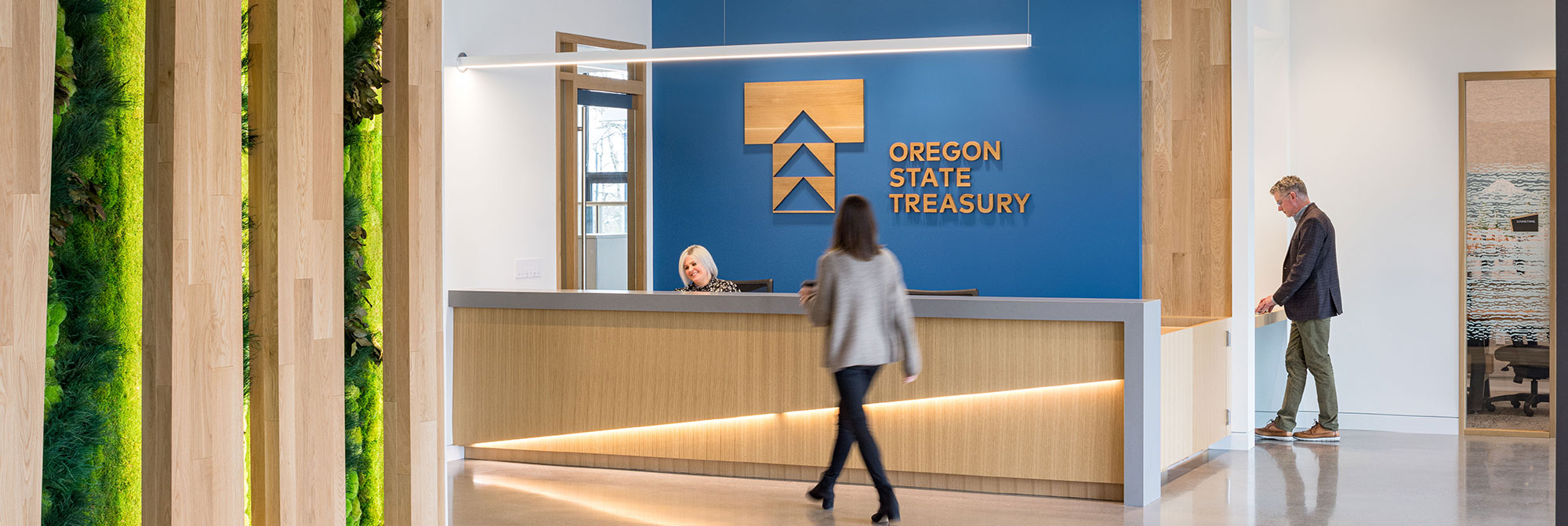
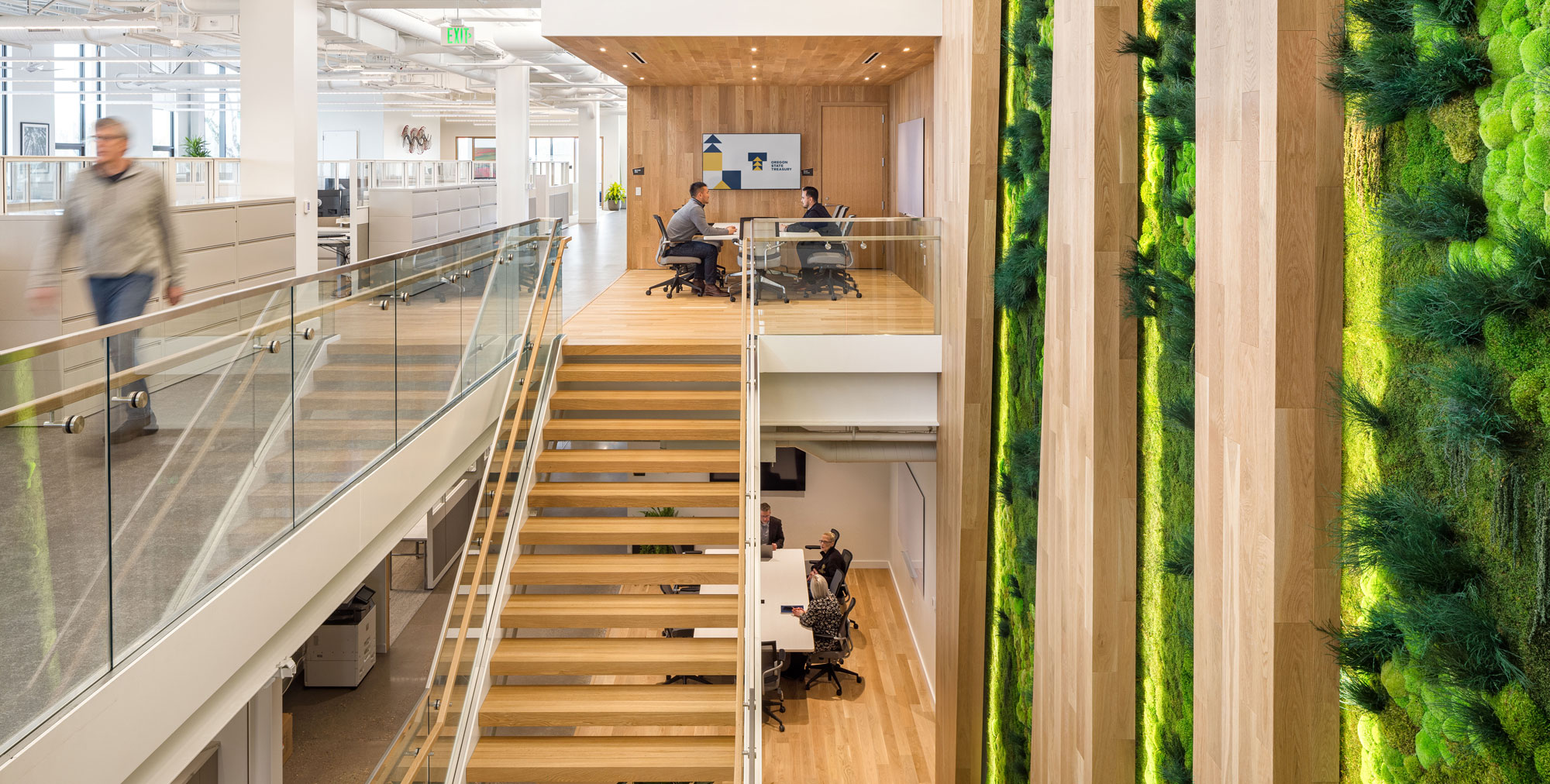
Project Highlight: Oregon State Treasury HQ
Just as importantly, resilient design should begin early. The best moment to discuss it is during scope development, when teams can align hazards, priorities, and investment with project goals. Waiting until late design; or worse, until after a disruption; narrows options and raises cost.
Where to Start with Resilient Design: A Study of Exposure
A practical approach starts with exposure. What are the top local hazards most likely to threaten safety, operations, or asset value? In one region, it may be wildfire smoke and grid instability. In another, flooding and extreme heat. From there, teams can evaluate mitigation options using resources such as the Department of Energy’s Technical Resilience Navigator, NOAA’s U.S. Climate Resilience Toolkit, and local hazard mitigation plans. The goal is not to create fear. It is to make risk visible, specific, and actionable.
This can make resilience seem like an added cost. But the more useful framing is avoided loss. Power interruptions, system failures, and water disruptions can carry operational, financial, and human consequences that far exceed the cost of proactive measures.
A recent U.S. Chamber of Commerce finding shows that every $1 invested in resilience can yield $13 in avoided economic impact and cleanup costs. That is a compelling return, but the business case is only part of the story. In healthcare, housing, education, and community-serving buildings, resilient design can also preserve safety, dignity, and continuity when it matters most.
$7 + $6 = $13
The US Chamber calculates that $7 of savings for economic costs, in addition to the $6 of savings for damage already assumed in its model. Combining the two ratios finds that every $1 invested in resilience and disaster preparedness saves $13 in economic impact, damage, and cleanup costs after the event. From: US Chamber of Commerce
The industry imperative is clear: resilient design must move from optional conversation to standard practice. Not because every project needs the same solution, but because every community faces risk, and every project deserves a design process that acknowledges it. The most effective resilience strategies are not generic checklists. They are locally informed, interdisciplinary, and tied to the outcomes owners and occupants rely on every day.
That is the position we believe the industry should take now: resilient design is fundamental to sustainable design, to responsible engineering, and to creating buildings that are prepared not just for today’s pressures, but for tomorrow’s realities.